
Linoleum Cutter
Showing 49–54 of 54 results
- Product unavailable
-
 Product unavailable
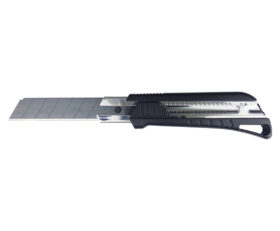
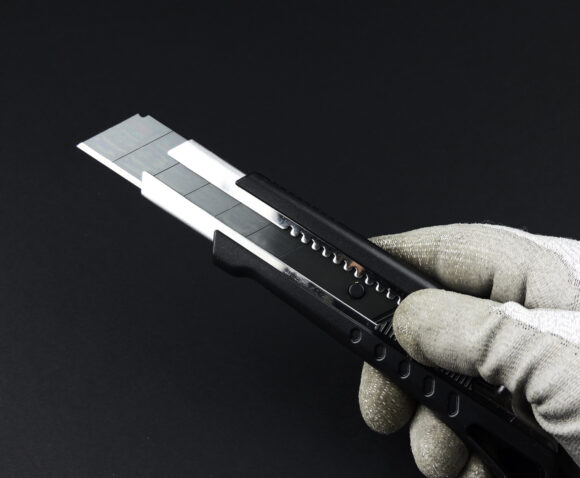
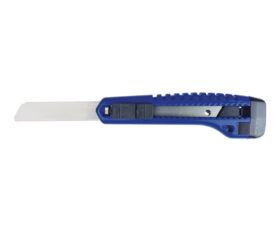

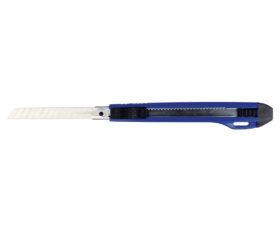

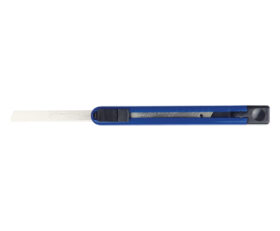

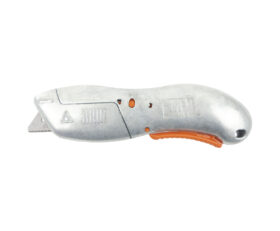

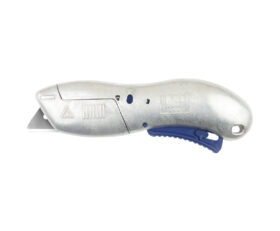

What is a lino cutter and what is it used for?
When you're on a job site or preparing a floor, you quickly understand the importance of a suitable lino cutter. We use it to cut linoleum, PVC, or vinyl with precision, without damaging the flooring. It's a simple yet essential tool that allows for fast, clean, and above all, safe work. If you've ever tried to cut lino with a standard utility knife, you know how chaotic it can get! The lino cutter, on the other hand, ensures a clean linoleum cut and total control, even on corners or difficult areas.
Putting ourselves in your shoes, it's easy to confuse a lino cutter vs. classic utility knife, especially if you're a beginner. The main difference lies in the specific lino blade, designed to penetrate flexible or semi-rigid materials without slipping. Where a classic utility knife might slip or leave uneven edges, the lino cutter offers a cutting precision rarely found elsewhere. The result: an impeccable finish and a more confident motion for the user, especially when choosing a model from the professional cutter range.
For floor installation, on a job site, or during renovation, the lino cutter becomes indispensable. Flooring installers use it to adjust lengths, make angle cuts, or prepare perfectly straight strips. In interior design, it allows work on all types of floor coverings, without damaging the surface and ensuring a clean and professional installation. In short, it's the tool you always keep within reach.
How to choose the right professional lino cutter?
Choosing based on the type of flooring to be cut
The choice of cutter primarily depends on the floor covering you are working with. For linoleum, PVC, or vinyl, the blade must be adapted to the material's density and thickness. Even a flexible floor can become difficult to work with if the blade is not sharp or strong enough. Therefore, choosing the right cutter means anticipating the material to gain efficiency and precision.
Choosing based on frequency of use
On a job site or during intensive professional use, tool durability is essential. A professional cutter must withstand repetitive use, maintain precision, and prevent user fatigue. For occasional use, a simpler model may suffice, but for professionals, opting for a robust tool completely transforms the experience.
The importance of the blade: shape and replacement
The lino cutter blade is the core of the tool. A hook blade is often recommended for linoleum, as it is more practical for following straight lines and curves. Models with interchangeable blades facilitate maintenance and extend the cutter's lifespan, while ensuring a clean cut on every job site. Proper cutter maintenance is essential to maintain cutting quality. To easily find the right blade profile, the straight and hook blades category is an excellent starting point. And if you want a simple "material → blade type" rule, the guide Which cutter blade for which material? is very useful (it specifically mentions the hook blade for linoleum).
Job Site Ergonomics and Safety
Ergonomics is often overlooked, yet it is crucial: an ergonomic cutter reduces user fatigue, enhances cutting comfort, and simultaneously prevents accidents. On job sites, user safety is paramount, and a well-designed tool enables efficient, clean, and confident work.
Which trades are our lino cutters intended for?
Our professional lino cutters are not intended solely for occasional use; they have been designed to meet the needs of all flooring and construction site professionals, where precision, speed, and safety are essential. Whether you are a floor installer, a building tradesperson, or involved in interior fit-out, the lino cutter quickly becomes an indispensable tool.
Floor Installers and Layers
For floor installers and layers, the lino cutter is an everyday tool. It enables precise cutting of linoleum, PVC, or vinyl, allowing for length adjustments and clean angle cuts. Thanks to its specific lino blade, the cut remains straight and clean, even on large surfaces. On a job site, this tool enhances productivity and ensures a professional result, saving time while minimizing material waste.
Building Tradespeople
In renovation or construction projects, building tradespeople utilize the lino cutter to prepare subfloors before installing tiles, carpet, or parquet. Its application is not limited to linoleum; it also enables working with flexible flooring and making precise adjustments on complex components. With an ergonomic and safe cutter, tradespeople can work for extended periods without fatigue, while maintaining precise and controlled movements.
Renovation Companies
Specialized renovation companies integrate the lino cutter into their equipment kits, as it enables rapid handling of various flooring types and materials. Whether for a large-scale construction site or a small renovation project, the interchangeable blade and ergonomic design help maintain productivity while adhering to safety standards. This tool is thus indispensable for ensuring quality workmanship and protecting workforces.
Interior Fit-out and Finishing Work
In the field of interior fit-out and finishing work, the lino cutter also finds its place. Professionals can use it to make precise cuts on new floors or during partial renovations, for transitions, corners, and delicate finishes. It is a professional tool that ensures every detail is meticulously handled, that the flooring installation is perfectly adjusted, and that the job site remains clean and efficient.