Our History
Over the years, Mure & Peyrot has consistently adapted to market demands and industrial requirements. In recent years, the company has expanded into the ceramic blade sector.

Over the years, Mure & Peyrot has consistently adapted to market demands and industrial requirements. In recent years, the company has expanded into the ceramic blade sector.
1904
Claude Mure acquires the business assets of Bathol and Huillard cutleries in Thiers, the capital of French cutlery.
1950
The company becomes a SARL (limited liability company) and adopts the name Mure & Peyrot.
1973
The company establishes its operations in Bordeaux.
1984
Launch of the first safety knife: CHARTRON.
1994
Introduction of the Windshield range.
1997
Bernard Peyrot joins the company as IT Manager.
2005
Launch of the Bakery range, featuring its first two scarifiers: Landaise and Bordelaise.
2010
Launch of the food-grade and detectable range.
2012
Launch of the first automatic safety knife: MASCARET.
2013
Préventica Innovation Award for the Merlot knife.
2018
Creation of the Lugos knife and the EVO charger. Awarded the Préventica Innovation Prize.
2019
Market introduction of a comprehensive range featuring ceramic blades.
2020
Implementation of anti-puncture round-tip blades on all safety knives. Launch of the COPAIN scarifier.
2023
2024
Mure & Peyrot celebrates 120 years of innovation and safety.
Launch of the first hybrid knife: GREPIN 2.
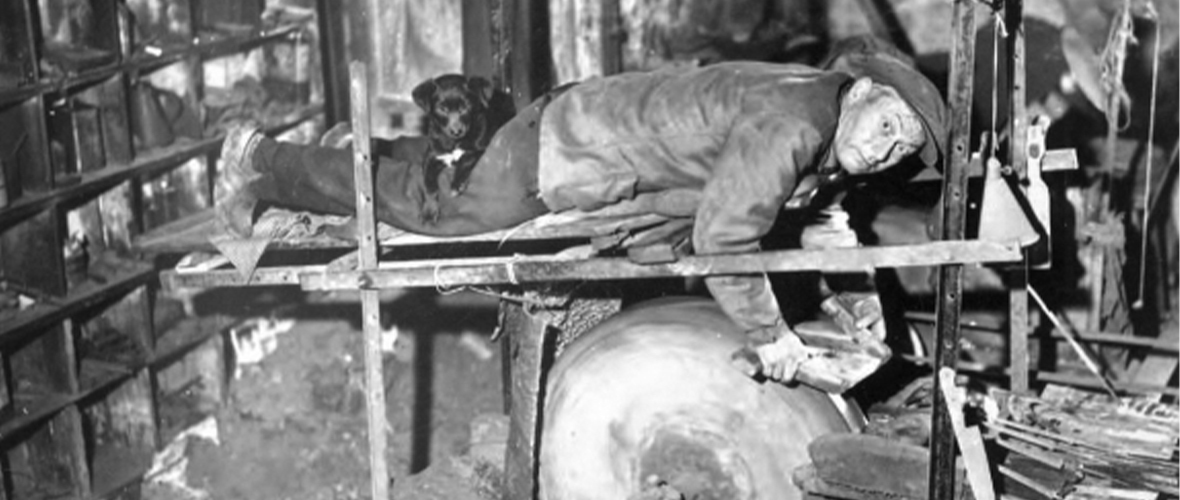
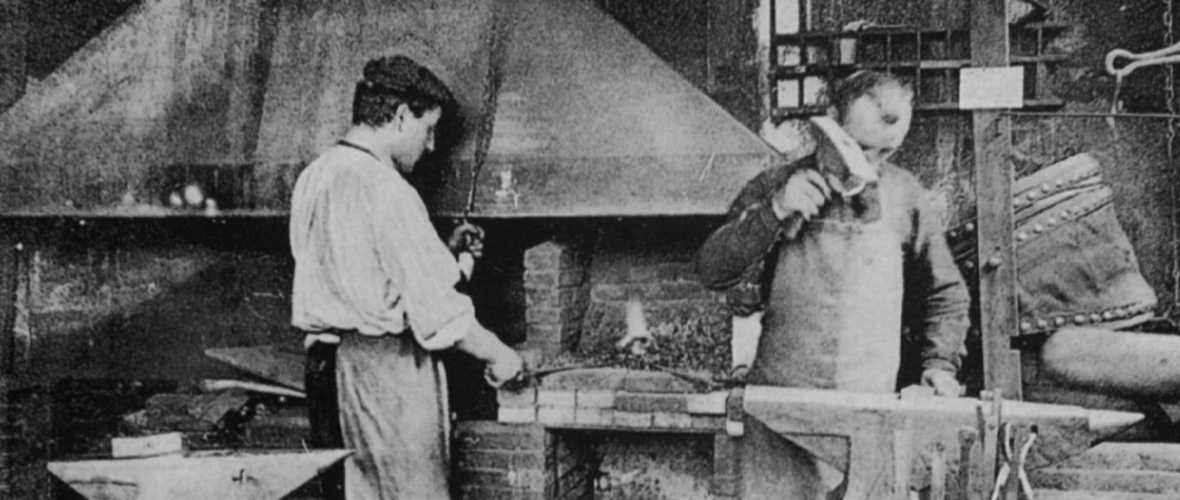
Mure & Peyrot represents two families who, over more than 115 years, have combined their expertise to sustain the cutlery business. The Mure family constitutes the older branch of these two cutler families. They originate from Puy-de-Dôme, above Thiers, a town globally renowned for its knives. The Durolle, a river with a significant elevation drop, facilitated the establishment of cutlery manufacturing in Thiers as early as the Middle Ages.
In Thiers, the cutlery industry sustained the local population; it was said that knives "toured Thiers," referring to a collective manufacturing process where each individual contributed their expertise, somewhat like subcontractors. Master cutlers placed orders with artisans: blacksmiths forged raw steel, grinders sharpened the edges, "cacheurs" (handle makers) worked on the horn for the handles, and polishers gave the blades their final luster.
The company started in 1904. Claude Mure, father of Antoine and Edouard, acquired a cutlery business in Thiers, Auvergne. Antoine passed away in 1918 during the First World War, leaving Edouard to manage the factory alone. He manufactured numerous specialized knives: pruning knives for tree grafting, secateurs for vineyards, and knives for amputees after the war. Ernest Peyrot, Jean-Claude's father, joined the family in 1938 and became the company's manager in 1954. He developed a new range of tools for installing floor coverings, linked to the advent of linoleum after the Second World War. Finally, Jean-Claude Peyrot, an engineer, took over the company in the 1980s with his wife. He refocused on professional cutlery, introducing new ranges with a singular credo: innovation for worker safety.
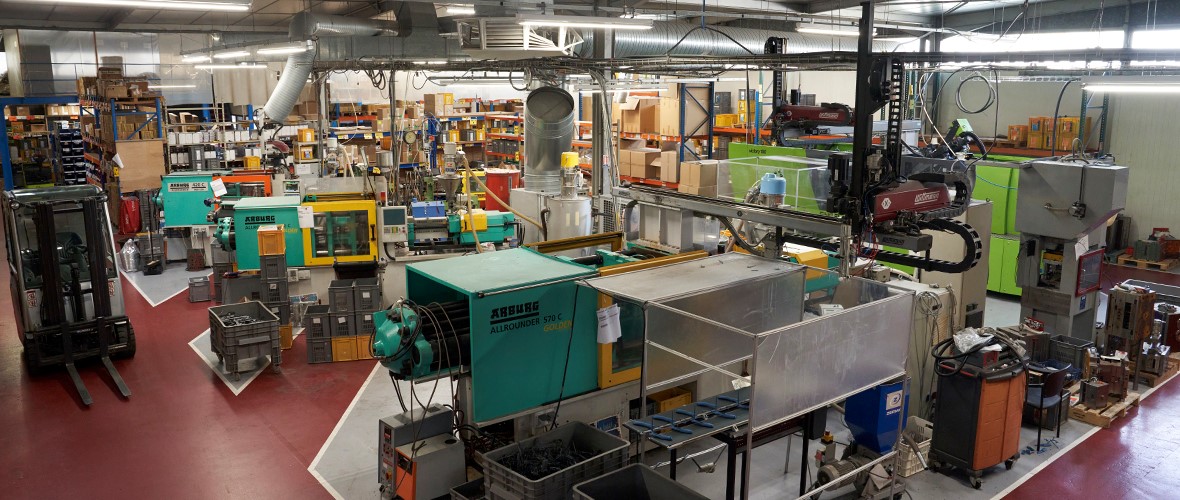

Today, Mure & Peyrot designs cutters for handling operations in warehouses and storage facilities. These are used for opening packaging and parcels. Its clients span various economic sectors: automotive, aviation, security, food, bakery, etc. Since 1992, Mure & Peyrot has also specialized in tools used for windshield manufacturing. This new product line was developed through a collaboration with Saint-Gobain, a French specialist in the production, processing, and distribution of materials.