
Professional Cutter
Showing 121–138 of 138 results
-

- Product unavailable
-
Product unavailable
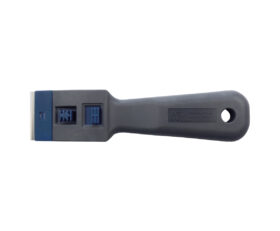

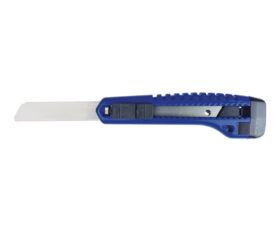

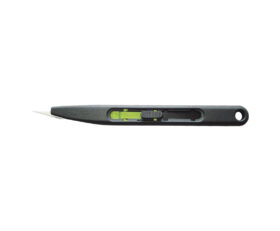


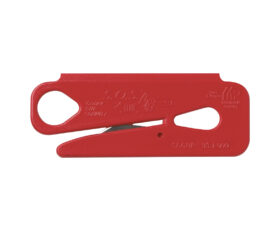


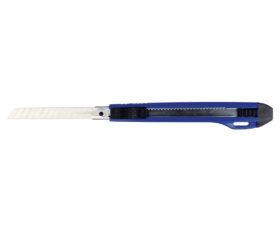

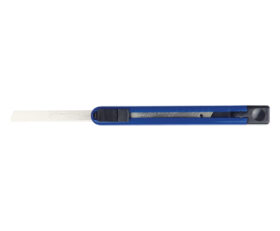

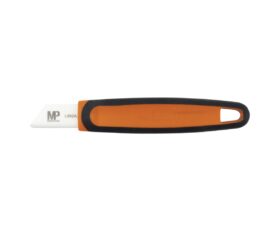

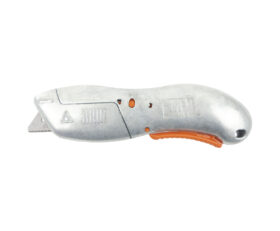

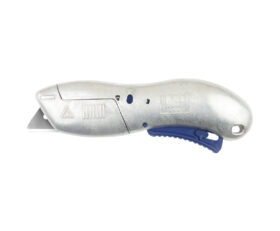

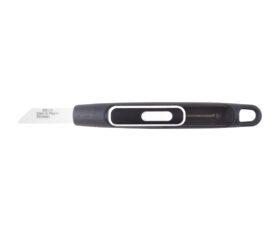

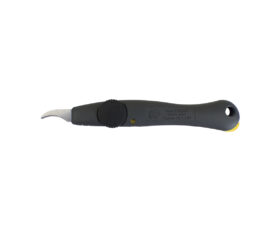
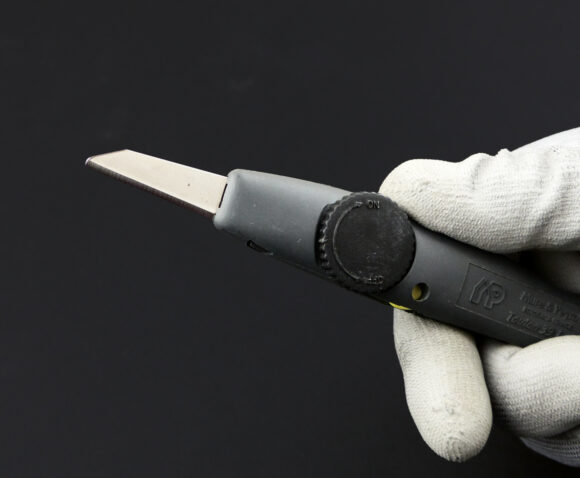



Why choose a professional utility knife?
A professional utility knife is a cutting tool designed to last, precise and safe, even when used all day long. It has nothing in common with small disposable cutters found in supermarkets. It is a tool designed for professionals, robust and reliable. The professional utility knife is built to handle impacts, drops, and intensive use.
It is used to cut almost anything, with efficiency and simplicity: cardboard, lino, fabric, conduits, plastics, leather… It is the Swiss army knife of cutting. But above all, it helps you work better. With a good tool, you are faster, more precise, and less fatigued. If you open 200 packages a day, cut insulation, or dismantle wooden crates, you need a tool that keeps pace. And one that won't let you down at the wrong time.
How to choose your professional utility knife?
Define your needs: application, frequency, environment
Before choosing a professional utility knife, it is useful to clearly define your needs. Occasional use, such as opening packages, can be handled by a simple model. However, regular use for cutting thick cardboard or technical materials requires a more robust tool. The frequency of use and the work environment (job site, workshop, damp warehouse, etc.) also influence the choice of the appropriate utility knife.
Essential criteria to consider
Safety: utility knives with retractable or automatic blades
Safety is the priority. If you work quickly in an environment with other people around, choose a utility knife with an automatic blade. The blade retracts automatically once the cut is finished: this significantly reduces the risk of injury. A utility knife with a manual retractable blade may suffice, but be careful not to leave it extended…
Ergonomics and User Comfort
When using a utility knife dozens of times a day, grip comfort makes a real difference. An ergonomic handle, a non-slip grip, or even an ambidextrous model relieves hands and prevents pain at the end of the day.
Durability and robustness of materials
A professional utility knife must stand up to the task. Low-cost plastic models are fine for quick fixes, but they do not last long. Prioritize metal, aluminum, or reinforced structures: they resist impact, wear, and heavy-duty use. In the long term, it is more cost-effective and, above all, more reliable.
Blade type: trapezium, hook, snap-off…
The blade type of a professional utility knife depends on the application. The trapezium blade is ideal for thick cardboard and hard materials. The hook blade allows for cutting plastic films or tarpaulins without damaging the substrate. The snap-off blade(or pre-cut) offers a consistently sharp edge by simply snapping off the worn tip. Other options exist: the rounded tip blade for enhanced safety, or the serrated blade, practical for flexible materials like fabric or foam.
For which professions is a professional utility knife indispensable?
In certain trades, a professional utility knife is much more than a tool: it is a daily essential.
Logistics and packaging trades
In a warehouse or sorting center, the utility knife is the tool deployed most often. Opening packages, cutting plastic film, splitting filmed pallets: it handles everything. And when this must be done hundreds of times a day, a solid model, quick to deploy and safe to use is indispensable.
Crafts: Construction, carpentry, plumbing…
In the building trades, a pro utility knife is a true job site companion. It is used to cut insulation strips, conduits, plasterboard, and even seals or floor coverings. An impact-resistant model that can be stored on a belt or slipped into a pocket quickly becomes second nature.
Industrial maintenance
In industry, maintenance technicians often use utility knives to work quickly on conduits, cables, or packaging materials. But as the environment can be risky (moving machinery, sharp tools everywhere), safety comes first.
Retail & supermarkets (material handling)
Finally, in retail, shelf-stockers and handling teams use utility knives from morning to night: to open boxes, prepare shelves, unpack products, etc. Here too, safety is paramount, especially in busy aisles or storage areas.