

Bakery Blades
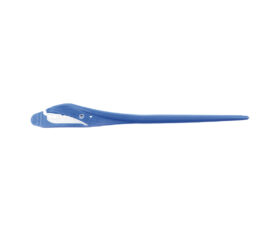


What is the purpose of bakery blades?
When we handle a scoring blade, it's not merely for aesthetic purposes; it's to control how the bread develops. Bread scoring allows the dough to open precisely where intended, forming regular ears (grignes), and preventing the bread from bursting randomly in the oven. With a well-sharpened baker's lame, precise incisions in the bread dough can be made, whether for a baguette, sourdough bread, or traditional bread. The result? Bread that rises harmoniously, with an appealing aesthetic, and retains its full texture. In essence, the blade becomes our ally for consistency, visual appeal, and taste quality.
Confusion often arises between bakery blades, professional lames, and industrial food processing blades, so let's clarify. The bakery blade is the general term for all scoring tools used in the bakehouse. The professional lame is a small, handheld, maneuverable blade, ideal for fine and decorative incisions. Finally, the industrial food processing blade is designed for high-volume use in production lines; it is robust but less precise for artisanal finishing. By understanding these distinctions, you can select the appropriate tool for your needs, whether you are an artisan or an industrial producer.
Available Bakery Blade Types
Straight, Curved, or Wavy Blades: Which Shape to Choose?
Three main shapes are available: straight bakery blades, curved lame blades, and wavy bakery blades. The straight blade is perfect for classic baguettes and long loaves, as it allows for a clean and rapid incision. The curved blade, often used as a lame, facilitates rounded movements, perfect for round loaves or artisanal boules. Finally, the wavy blade creates a decorative effect on the crust, ideal for rustic or traditional breads, and allows for the creation of original patterns. Each shape has its advantages, and the choice primarily depends on the type of bread you are preparing.
Stainless Steel or Carbon Steel Blades
Blades are also distinguished by material: stainless steel bakery blades or carbon steel baker's blades. Stainless steel is durable, corrosion-resistant, easy to clean, and perfect for daily use, especially in humid environments. Carbon steel, on the other hand, offers an exceptional, more precise bakery blade edge, but requires regular maintenance to prevent rust. Carbon steel is ideal for artisans seeking extreme precision, while stainless steel is suitable for intensive and safe use, particularly in professional environments subject to HACCP standards.
Disposable or Reusable Blades: Which to Prioritize in a Professional Setting?
In a professional bakehouse, the question often arises: disposable bakery blade or reusable? Single-use baker's blades offer a major advantage: they ensure optimal bakery hygiene and reduce the risk of cross-contamination, which is essential for food safety. Reusable blades require rigorous cleaning and regular disinfection. Depending on your production volume and HACCP requirements, the choice is between practicality and durability.
How to Select Your Professional Bakery Blades?
Selecting Your Blade Based on Bread and Dough Type
The choice of blade directly depends on the bread you are preparing: for a baguette blade, a thin and straight edge is preferred for rapid incisions. For a sourdough bread blade or an artisanal bread blade, a lame or a slightly curved blade allows for controlled movements and the creation of regular ears (grignes). The idea is to consider the dough's perspective: the more hydrated it is, the more crucial the precision of the incision becomes.
Ergonomics, Safety, and User Comfort
A professional baker's blade is chosen not only for its sharpness, but also for the baker's working comfort. A well-designed handle, adapted to your hand, reduces fatigue and the risk of cuts, which is essential when scoring dozens of loaves every day. Baker's safety also relies on a stable grip and a balanced tool for precise and comfortable operation.
Blade Replacement Frequency and Maintenance
To ensure the quality of your bread, it is crucial to monitor baker's blade replacement. A dull scoring blade creates irregular incisions and can compromise the baking process. Lame maintenance is straightforward: regular sharpening, cleaning after each use, and dry storage. A well-maintained blade ensures consistent scoring and an extended lifespan.