

Cutter Blades
Showing 1–24 of 26 results
-
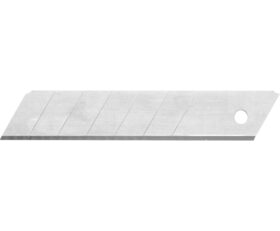
170.7
Cutter blade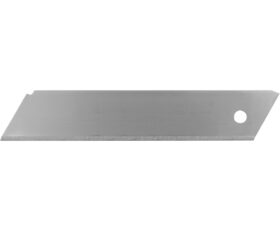
171.7
Cutter blade
172.5 C
Cutter blade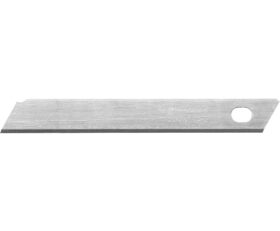
172.5 TO
Cutter blade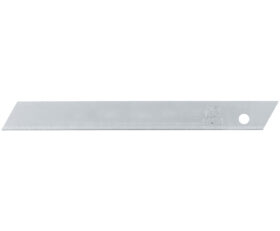
173.4
Cutter blade
173A.4
Cutter blade
175.4
Cutter blade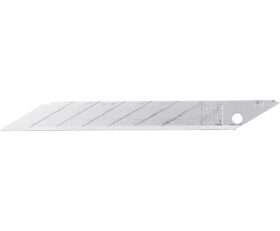
175.4.30
Cutter blade
177.5
Cutter blade
179.5
Cutter blade
179A.5
Cutter blade
473.4 ALD
Food-grade and detectable cutter blade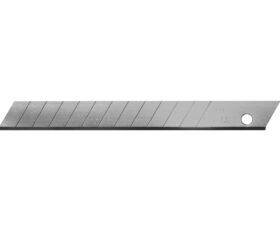
475.4 ALD
Food-grade and detectable cutter blade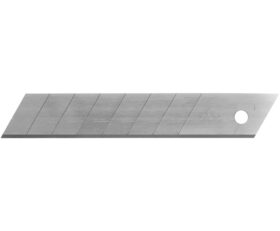
477.5 ALD
Food-grade and detectable cutter blade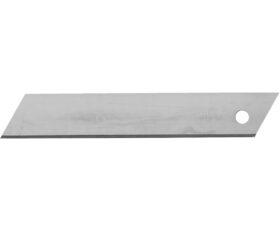
479.5 ALD
Food-grade and detectable cutter blade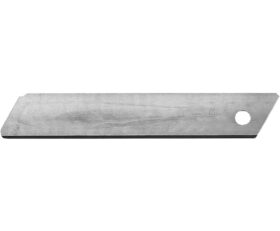
479A.5 ALD
Food-grade and detectable cutter blade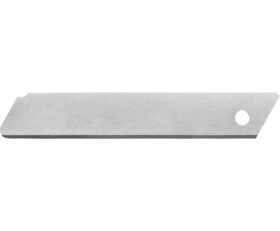
479A.7 ALD
Food-grade and detectable cutter blade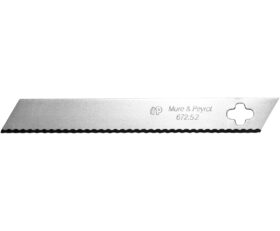
672.5.2 C
Cutter blade
677.5.2
Serrated cutter blade
679.5.2
Serrated cutter blade
873.6 AF
Ceramic cutter blade
873A.6 AF
Ceramic cutter bladeWhy invest in quality cutter blades?
We understand that a dull or low-quality blade can turn a simple task into a significant challenge. By choosing a sharp and durable blade, you enhance efficiency, whether for workshop use, on a construction site, or for precision work.
Precision and performance
A well-sharpened blade ensures precise cutting with every pass. You will quickly notice cleaner cuts, requiring fewer touch-ups and resulting in less material waste. For us, it's simple: a sharp blade equals guaranteed professional cutting, and for you, it's a significant gain in time and precision.
Durability and resistance
Not all blades are created equal. Inexpensive blades wear out quickly and are prone to bending or breaking. Professional blades, however, are crafted from robust materials and often treated to resist wear and corrosion. Opting for a durable blade reduces replacement frequency, which we understand significantly impacts long-term operational efficiency. Enhanced blade resistance translates to increased safety and optimized cutter longevity for your tasks.
Safety and operational comfort
A properly selected and mounted blade significantly reduces the risk of accidents. This minimizes unforeseen issues and allows for undisturbed work. Choosing a safety blade ensures secure handling while providing excellent user comfort, even during extended operational periods. For both us and you, this represents a significant advantage for the professional protection of your teams and materials.
Different types of cutter blades
Universal blade
The universal blade is ideal for daily use. It is perfectly suited for paper, cardboard, or thin plastic. Its advantages include versatility and simplicity. Its limitations are that it is not suitable for very hard materials or intensive cutting tasks. By selecting this blade type, you acquire a practical solution for routine tasks.
Segmented blade
The segmented blade consists of pre-scored segments that can be snapped off as they wear. It is ideal for intensive cutting and industrial use, as its lifespan can be easily extended. If you frequently use your cutter, this blade allows you to maintain efficiency without replacing the entire tool.
Blade for Specific Materials
Certain materials require an adapted blade: metal, PVC, foam, heavy fabrics, or vinyl. To ensure clean and safe cuts, it is essential to select the appropriate blade for the material you are working with. We recommend verifying compatibility before each use to ensure a professional cut and prevent premature wear.
Blade for Professional Cutter
The blades for professional cutters are reinforced for intensive use and demanding industrial environments. They are designed to provide maximum ergonomics and comfort during long sessions, and are fully compatible with professional cutters. If you seek a durable and high-performance solution, this is the category to prioritize.
How to Choose the Right Cutter Blade?
Identify Your Needs
The first step is to determine your needs: how frequently do you use your cutter? What types of materials do you cut most often: paper, cardboard, PVC, metal, or heavy fabrics? By answering these questions, you will know if you need a universal blade, a segmented blade, or a professional blade for intensive use. We advise you to take some time on this step, as it dictates the rest of your selection.
Verify Key Characteristics
Once your needs are identified, it is important to verify certain essential criteria:
- Blade type: universal, segmented, specific, or professional.
- Material: hardened or reinforced steel for extended durability.
- Cutter compatibility: ensure the blade is compatible with your tool.
- Safety mechanism: blade locking, anti-cut feature.
- Size and shape: adapted to the materials and cuts you are performing.
Compare Models and Prices
Finally, take the time to compare models and prices. A durable blade may seem more expensive initially, but it saves you time, reduces accident risks, and decreases the number of replacements. We observe that for intensive use, investing in quality blades is always cost-effective. For you, it's a way to work more efficiently while protecting your teams and materials.

