Plastic Blades
Showing 5 results
-

232.8 ALD
Detectable Food-Grade Plastic Blade
244.14 ALD
Industrial plastic blade
253.14.120 ALD
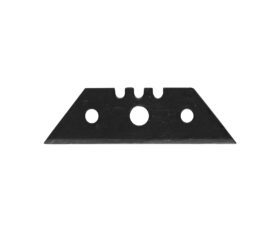
Trapezoid plastic bladeWhat are plastic cutter blades used for?
A safe cutting solution for sensitive environments
We use the plastic safety blade for a simple reason: to drastically reduce the risk of cuts. The principle is clear: the blade is designed to cut flexible or thin materials without ever becoming dangerous for the user. In practice, this means safe cutting, even in the event of a clumsy movement. In sensitive environments such as logistics, industry, or offices, the professional-grade plastic cutter protects teams while maintaining a fluid workflow. You surely recognize those situations where safety comes first; here, the blade does the job without compromise.
Common applications of plastic cutter blades
On a daily basis, plastic cutter blades are more than sufficient for many professional uses. We use them for cardboard cutting, opening packages, plastic film cutting or light packaging. In the logistics industry, for example, they are ideal for rapid unpacking without the risk of damaging the contents. In an office or warehouse, they allow you to work quickly, cleanly, and above all, safely. You save time while reducing incidents.
The advantages of plastic cutter blades compared to steel blades
Enhanced safety and reduction of workplace accidents
Compared to a steel blade, the reinforced safety cutter blade offers a major advantage: prevention. By deliberately limiting the sharpness, it becomes a safe cutting tool, designed for workplace safety. As a result, there is a clear reduction in cuts, and therefore fewer accidents, fewer stoppages, and more peace of mind for teams. We all know how much these details count, especially when movements are repeated all day long.
Compliance with internal and regulatory requirements
Beyond field safety, the plastic cutter blade also meets the expectations of companies in terms of internal procedures. It fits perfectly into a corporate safety policy, often managed by HSE or QHSE departments. By opting for compliant equipment, you facilitate audits, comply with internal instructions, and adopt a responsible purchasing approach. It is a pragmatic choice that reassures both teams and management.
The different types of plastic cutter blades available
Standard plastic blades vs reinforced plastic blades
Not all plastic blades are equal. Standard models are perfectly suited for simple and repetitive tasks, while the reinforced plastic blade offers better resistance and greater durability. Depending on the level of rigidity, you can cut thicker cardboard or slightly more resistant materials. We always advise you to adapt the blade to the material to guarantee an efficient cut without forcing.
Blades compatible with safety cutters
Finally, it is essential to check the compatibility of the blade with your cutter. Some cutter-compatible blades are universal, others are designed for a very specific professional safety cutter. A proper blade/cutter pairing ensures not only better efficiency but also optimal safety. By choosing the right set, you avoid play, improper fitment, and work with complete confidence.