
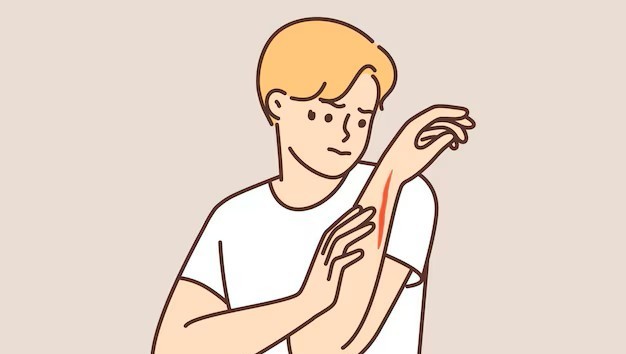
Cuts with a cutter are among the most frequent accidents at work. A simple moment of inattention, a movement that is too quick, a bad habit, or the use of an unsuitable tool can be enough to cause an injury. In companies, hand cuts represent approximately 21% of workplace accidents.
IMMEDIATELY ASSESS THE SEVERITY
When faced with a cut, it is essential to quickly assess the severity of the injury. It is necessary to observe whether the wound is superficial or deep, check if bleeding is light or heavy, and ensure that hand sensitivity and mobility are not compromised.
In a company, as soon as an employee is injured, they must immediately inform the Occupational First Aider (OFA) or, failing that, a colleague trained in first aid. The trained individual performs first aid in accordance with hygiene and safety rules: cleaning the wound, disinfecting, and applying pressure to stop the bleeding. For a minor injury, the OFA or the company's medical service can provide follow-up and, if necessary, refer the employee to a doctor or the emergency room. In the event of a serious cut or heavy bleeding, emergency services (15 or 112) must be called immediately.
FIRST AID PROCEDURES
Before handling the wound, it is essential to protect yourself by wearing disposable gloves, ideally nitrile or latex, to limit the risk of infection and avoid direct contact with blood. This precaution protects both the victim and the first aider by reducing the risk of transmitting infectious agents such as hepatitis or HIV. If no gloves are available, it is important not to delay care and to use a clean cloth or thick fabric as a protective barrier instead.
In the case of light bleeding, the wound should be thoroughly rinsed with clean water to remove dirt and visible foreign bodies, and then the area should be disinfected with a suitable antiseptic. Once the wound is cleaned, a clean dressing should be applied, and the appearance of signs of infection, such as redness, swelling, heat, unusual pain, or discharge, should be monitored in the following days, in which case a medical consultation becomes necessary.
In the presence of significant bleeding, the priority is to apply firm and continuous direct compression to the wound with a compress or clean cloth, maintaining the pressure for several minutes without interruption. If possible, it is recommended to elevate the injured part to slow the blood flow. If direct compression is not sufficient, a pressure dressing must be applied, holding the compress in place with a tight bandage to ensure constant pressure. The use of a tourniquet should only be a last resort, solely in the case of massive hemorrhage, when other methods are ineffective or in extreme situations such as an amputation. This tourniquet must be placed above the wound, tightened very firmly, and the time of its application must be noted. In all cases, emergency services must be alerted promptly.
OBLIGATIONS IN THE EVENT OF A WORKPLACE ACCIDENT
When an employee is the victim of a workplace or commuting accident, they have 24 hours to inform their employer. The employer must then file a workplace accident declaration with the Health Insurance Fund, either online or by sending a Cerfa form. It is also important to inform management, follow medical recommendations, and check that vaccinations, particularly against tetanus, are up to date. These steps are essential to ensure adequate and rapid care.
PREVENTION IS BETTER THAN CURE
Prevention is the best weapon against cuts. Adopting safe practices is essential: hold your tool correctly by pointing the blade away from you, maintain a firm and controlled grip, and work on a stable surface to avoid slipping. Storing the tool and blade immediately after use also helps limit risks, especially in shared or high-activity environments.
The choice of equipment plays a vital role. Using safety tools designed to reduce risk, such as knives developed by specialized manufacturers like Mure & Peyrot, which feature blade guards, automatic retraction mechanisms, and ergonomic designs, can significantly reduce the frequency and severity of cuts.
Prevention is the best defense against cuts. Adopting safe practices is paramount: hold your tool correctly by cutting away from yourself, maintain a firm and controlled grip, and work on a stable surface to prevent slipping. Storing the tool and blade immediately after use also helps minimize risks, especially in shared or high-activity environments. Also remember to regularly replace your cutter blade: a dull blade requires extra force, which significantly increases the risk of slipping.
The choice of equipment plays a crucial role. Using a safety cutter designed to reduce risks—such as those developed by specialized manufacturers like Mure & Peyrot, which incorporate blade guards, automatic retraction mechanisms, and ergonomic designs—significantly reduces the frequency and severity of cut injuries. The automatically retractable cutter is particularly effective, as its blade retracts on its own once contact with the cutting material is lost.
Finally, personal protective equipment should never be overlooked, especially cut-resistant gloves, which provide an extra layer of protection in high-risk sectors such as logistics, industry, construction, or maintenance work. While these gloves do not replace safe working practices, they minimize the severity of injuries if an accident occurs. In addition, dedicated safety accessories help ensure safe storage and daily handling of your cutting tools.
CONCLUSION
A cut may seem minor, but it requires a prompt and appropriate response. Cleaning and disinfecting properly, stopping the bleeding, consulting a professional if necessary, and complying with reporting obligations are essential steps to avoid complications. However, the most effective strategy remains prevention: adopting safe practices, using appropriate tools, and wearing protective equipment significantly reduces the risk of cuts and guarantees everyday workplace safety. To properly equip your teams, find out how to choose a professional cutter tailored to your trade.